Madrid (ES), Amsterdam (NL), San Sebastian (ES), Rovereto (IT), Mexico City (MX), Massiaru (EE), Serra da Strella (PT)2023-2027
A project by The GramounceCourse, residencies, exhibitions, publishingInstitute for Postnatural Studies, Brave New Alps: La Foresta, Medialab Matadero, Mediamatic, Espacio Baltico, Space Transcribers, Massia.INTRODUCTION
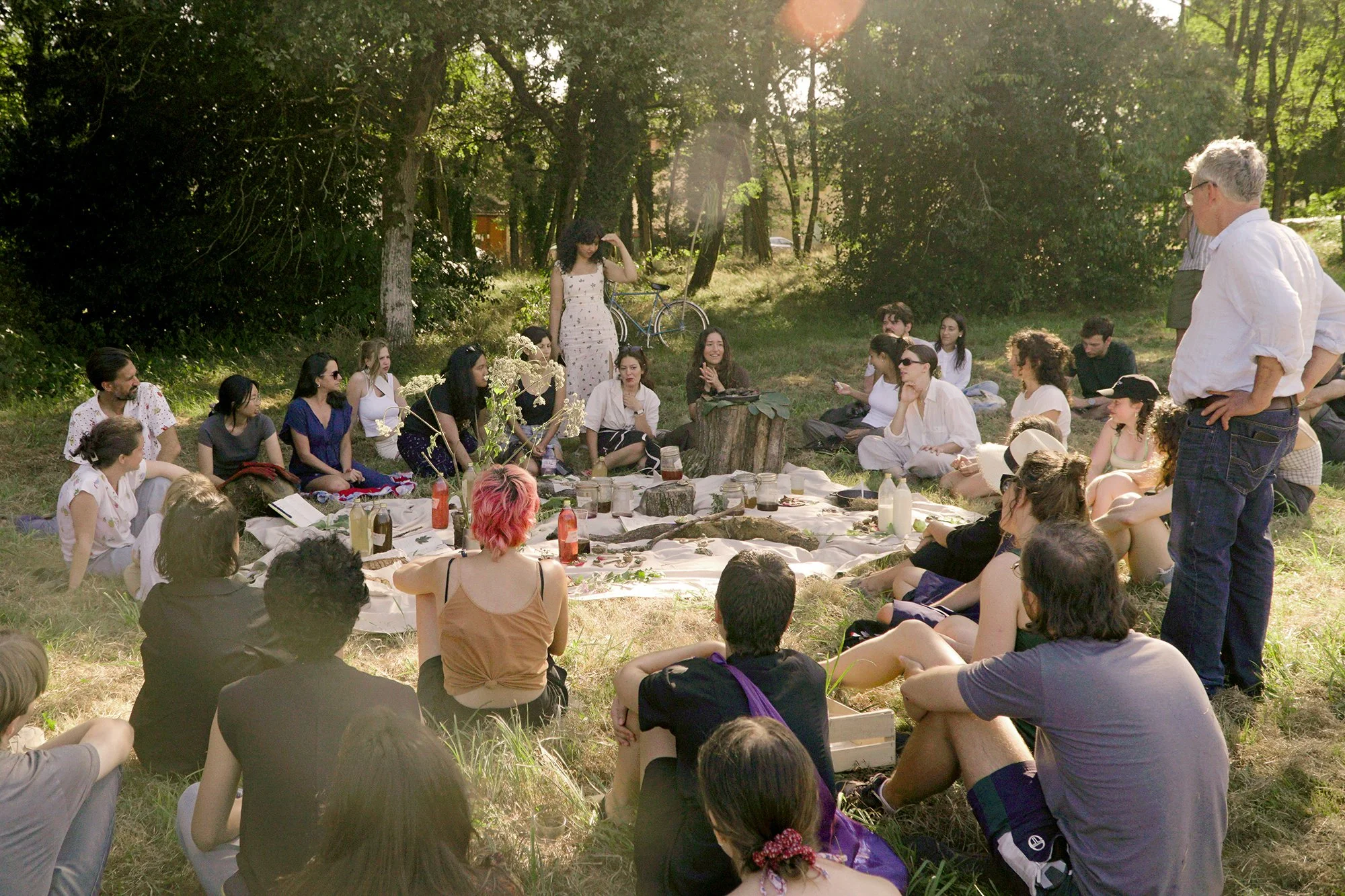
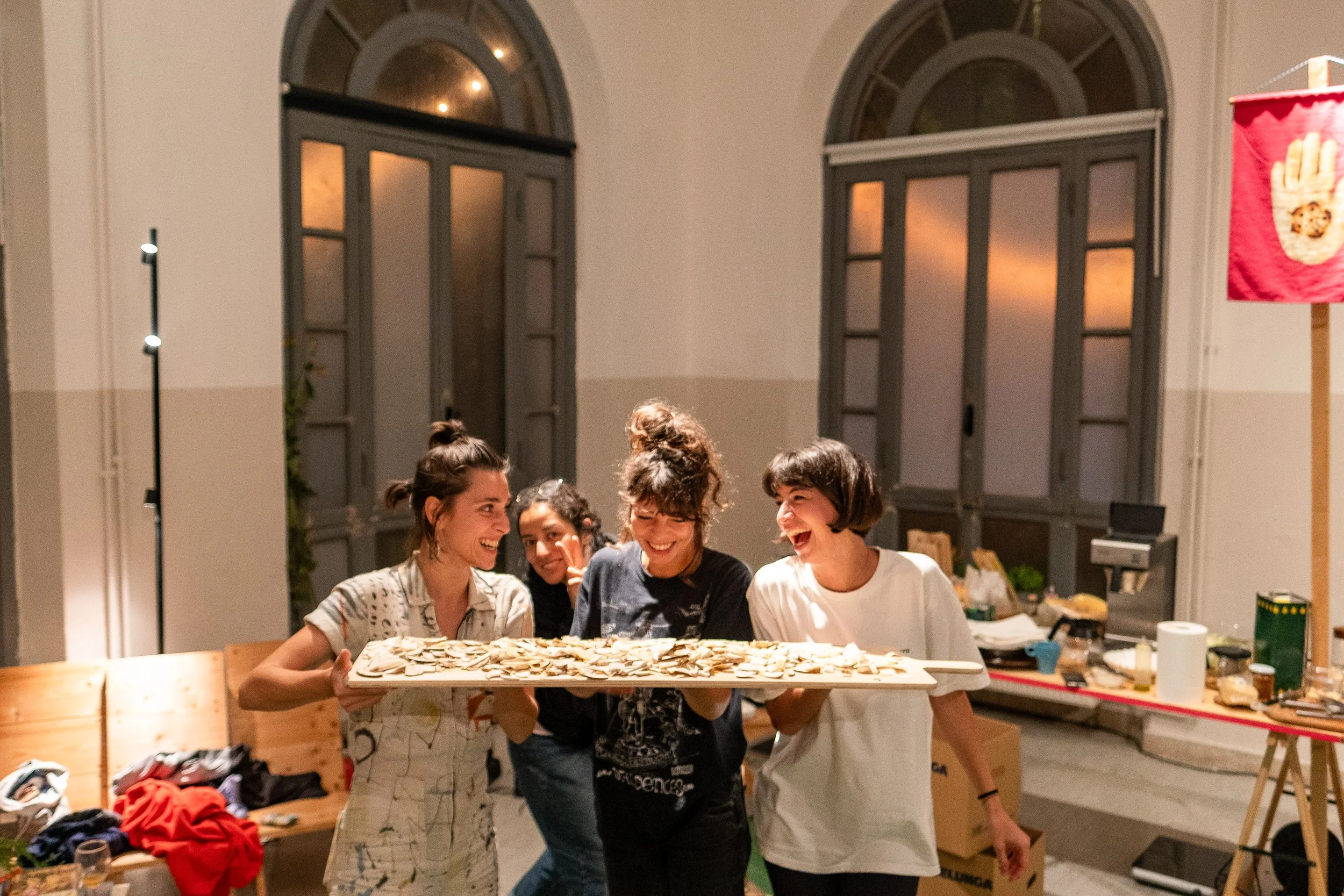
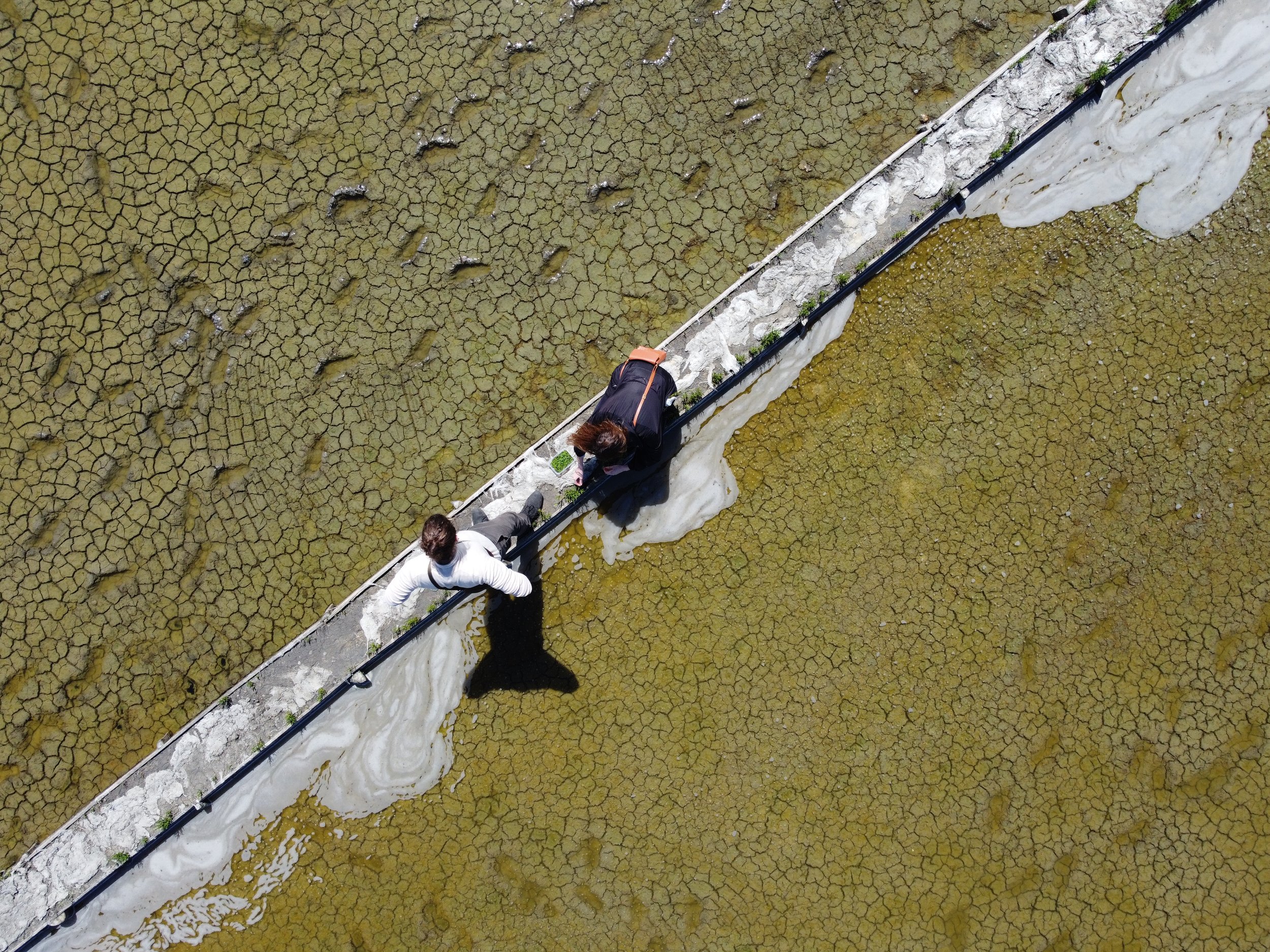
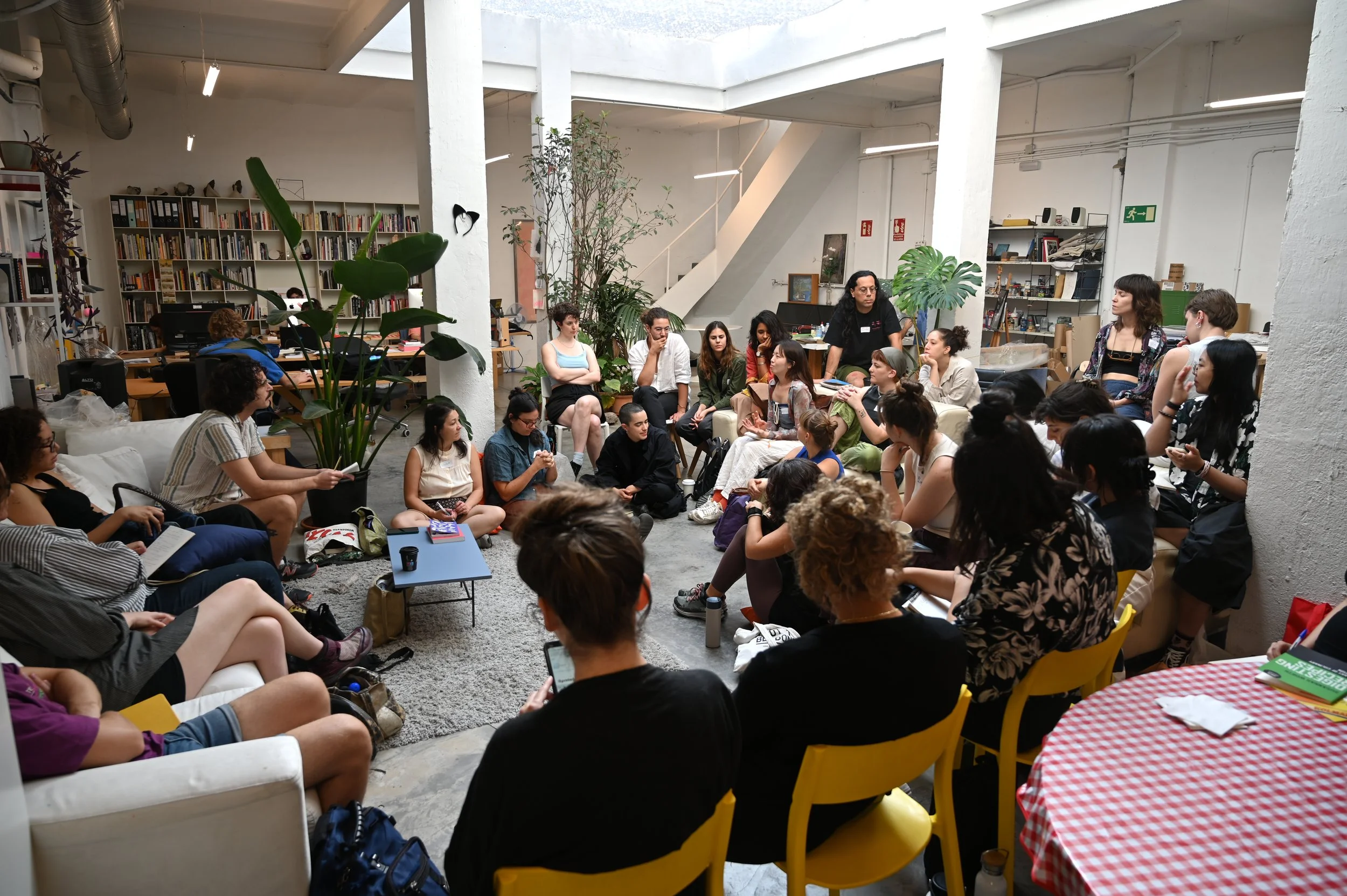
The Food and Art Alternative MA is a 2-year course focusing on food practices as political subjects in contemporary art and culture. We navigate the intersection of food histories, socially engaged art, political discourse and ecological understandings to critically explore contemporary tensions and possibilities through food. Departing from the lens of food, participants are encouraged to challenge inherited assumptions and biases by questioning the structures of power which control its production and distribution. In parallel, the course motivates speculation and alternative world-building through an artistic and research-based framework. Rooted in The Gramounce’s commitment to critical pedagogy, the altMA promotes peer-to-peer learning and interdisciplinary collaboration. The programme cultivates an educational space that resists hierarchical transmission in favour of shared inquiry, therefore aiming to decolonise both the curriculum and the applied learning and unlearning methodologies. Drawing from artistic and curatorial practices, gender studies, ecological thinking and a decolonial approach, the altMA aims to create a web of interconnected practices that allow for a plurality of voices, methodologies, and inquiries. The programme supports participants in mapping politically engaged food practices while developing their own situated methodologies. The programme combines in-house teaching that addresses foundational aspects of food and art, guest lectures from some of the most prominent minds in the field, residencies in collaboration with cutting-edge institutions, group discussions, one-to-one tutorials, and opportunities for public engagement. Participants have joined from over 50 countries, with diverse professional backgrounds (visual arts, anthropology, activism, cooking, farming, architecture, writing, among others), ages, and career stages. Some of our collaborators and speakers include ruangrupa, Yasmine Osendorf-Rodriguez, colectivo amasijo, Cooking Sections, Mediamatic, Delfina Foundation, Báyò Akómoláfé, Rain Wu, and Hicham Khalidi.
Terms:Alternative MA 2025-20271. Foundations of Food and Art
2. Bitter-Sweet Cartographies
3. Stories of Entangled Foodscapes
4. Unexpected Edible Partnerships
5. Brewing gender politics
6. Food is the future; the future is a monster.
1. Foundations of Food and Art 2. Bitter-Sweet Cartographies 3. Stories of Entangled Foodscapes 4. Unexpected Edible Partnerships 5. Brewing gender politics 6. Food is the future; the future is a monster.
Residencies:Amsterdam, Mexico City, Serra da Estrela, Massiaru, Madrid Terms:Alternative MA 2024-20251. Cooking in the Chtulucene
2. Neurogastronomic Rewiring
3. Towards a Metabolic Planetary Kitchen
1. Cooking in the Chtulucene 2. Neurogastronomic Rewiring 3. Towards a Metabolic Planetary Kitchen
Residencies:Amsterdam, San Sebastian, MadridTerms:Alternative MA 2023-20241. The Limits of the Edible (Cosmologies of Eating the Other)
2. What We Eat in Our Dreams (Swirling in the Quantum)
3. Contemporary Creation on a Damaged Planet
1. The Limits of the Edible (Cosmologies of Eating the Other) 2. What We Eat in Our Dreams (Swirling in the Quantum) 3. Contemporary Creation on a Damaged Planet
Residencies:Madrid, Trento, Madrid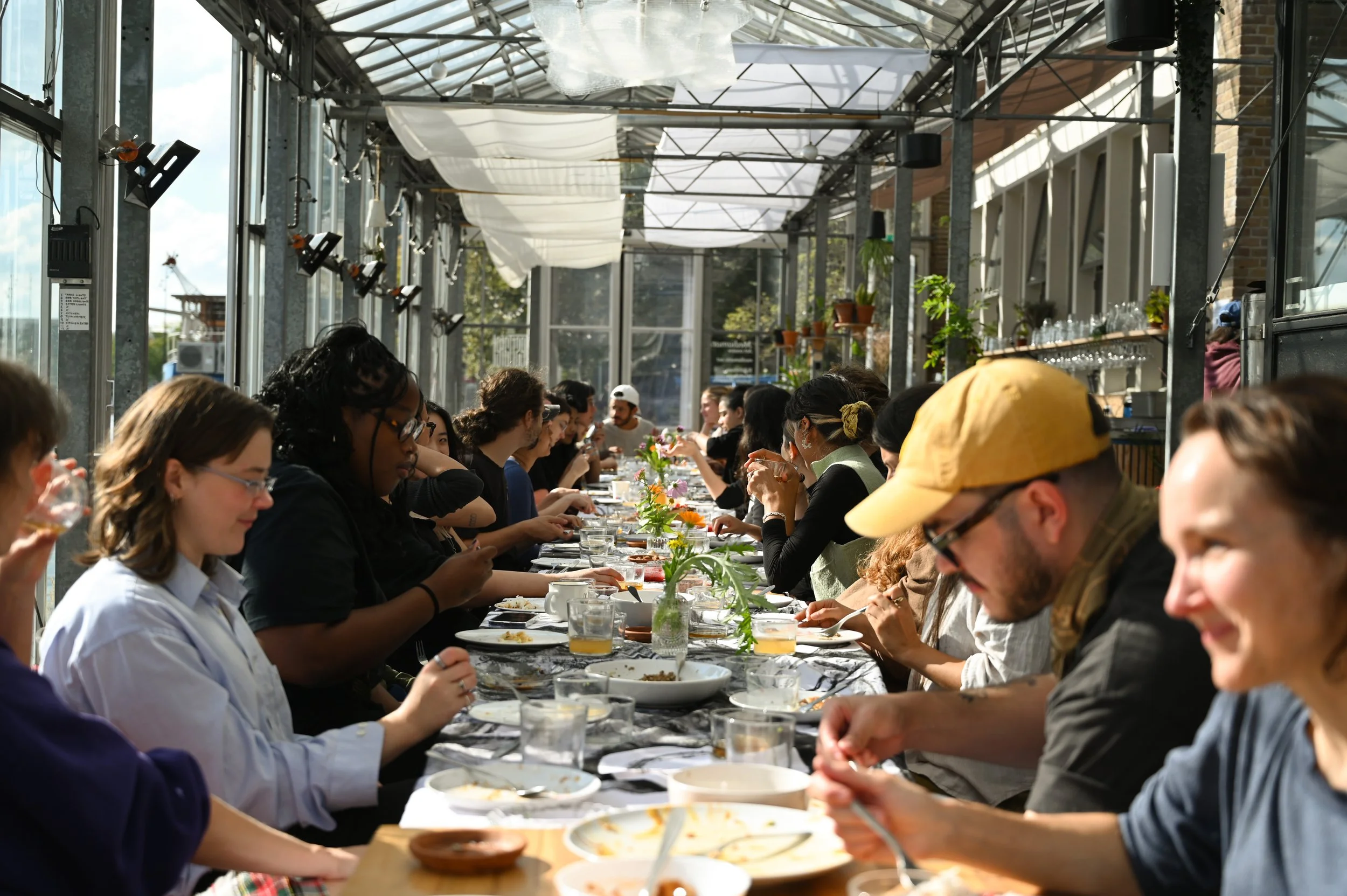
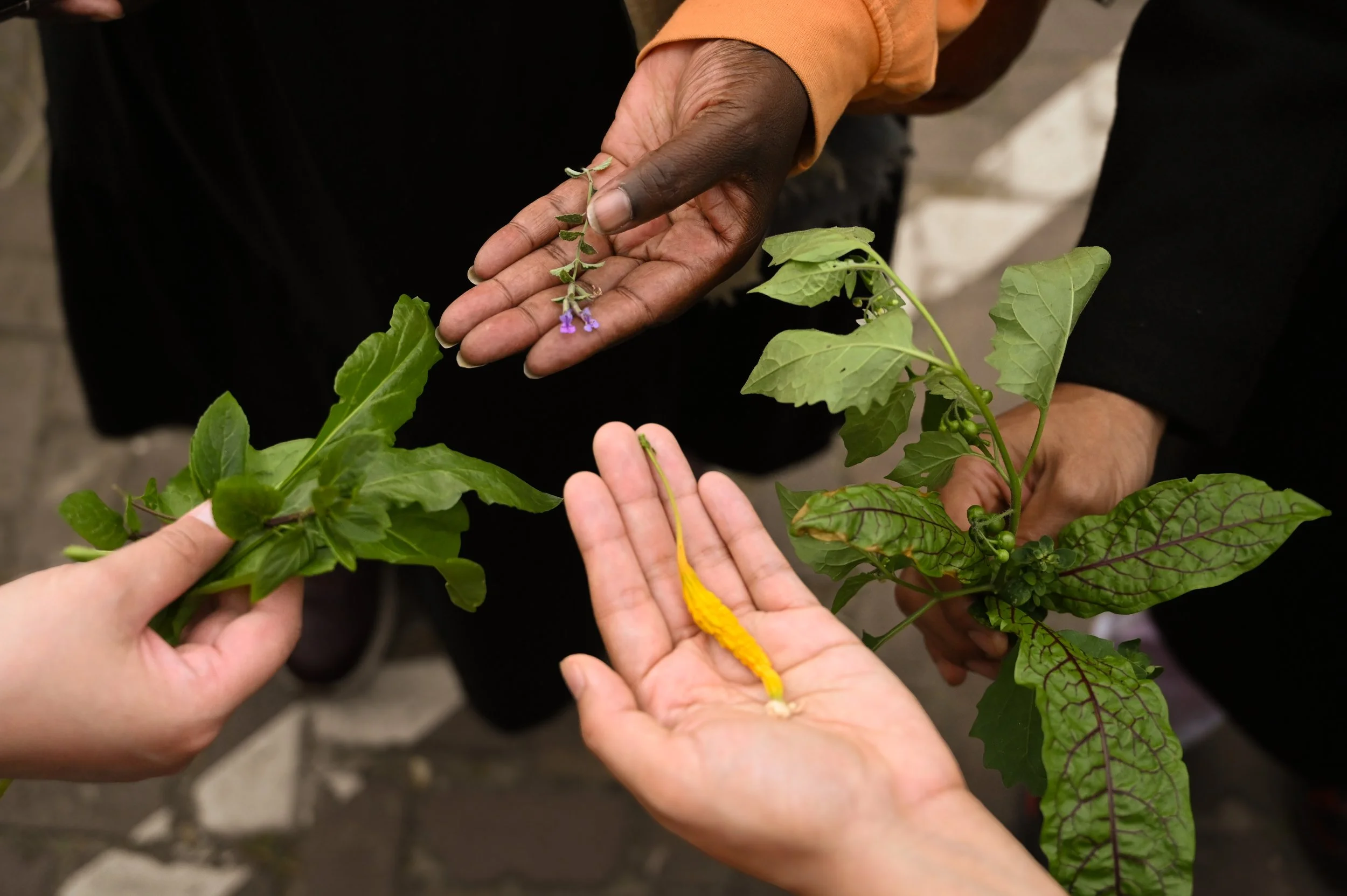
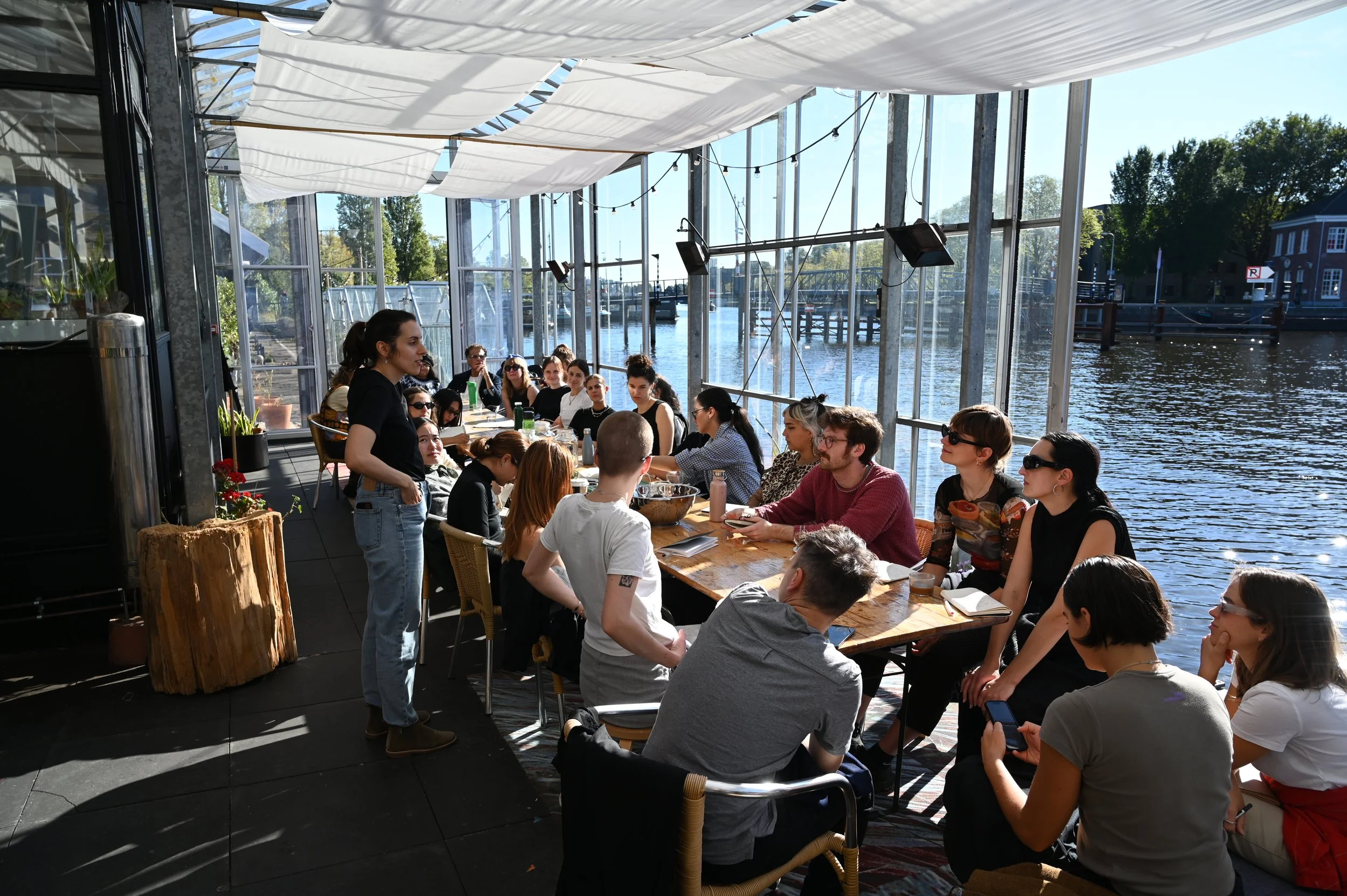
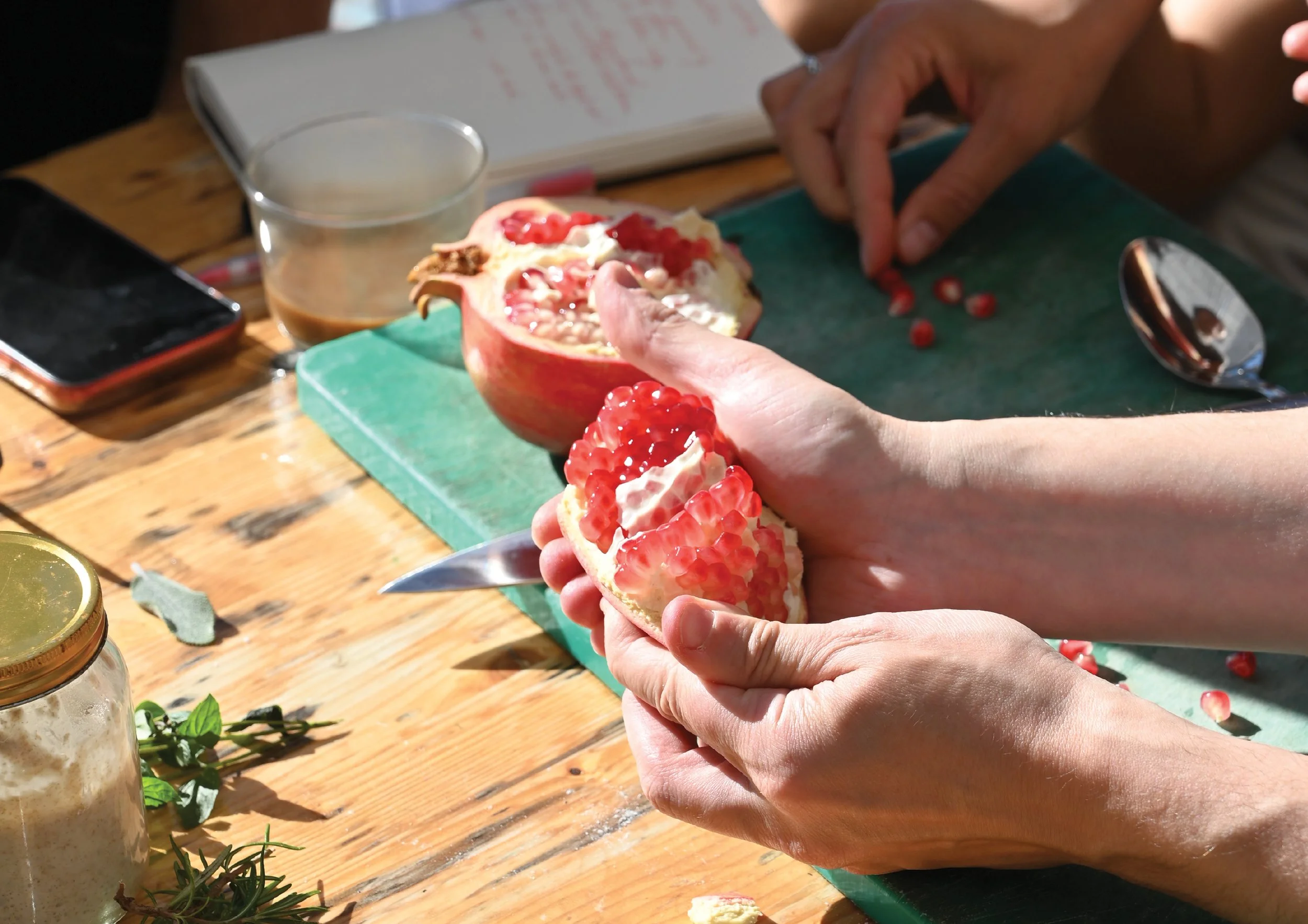
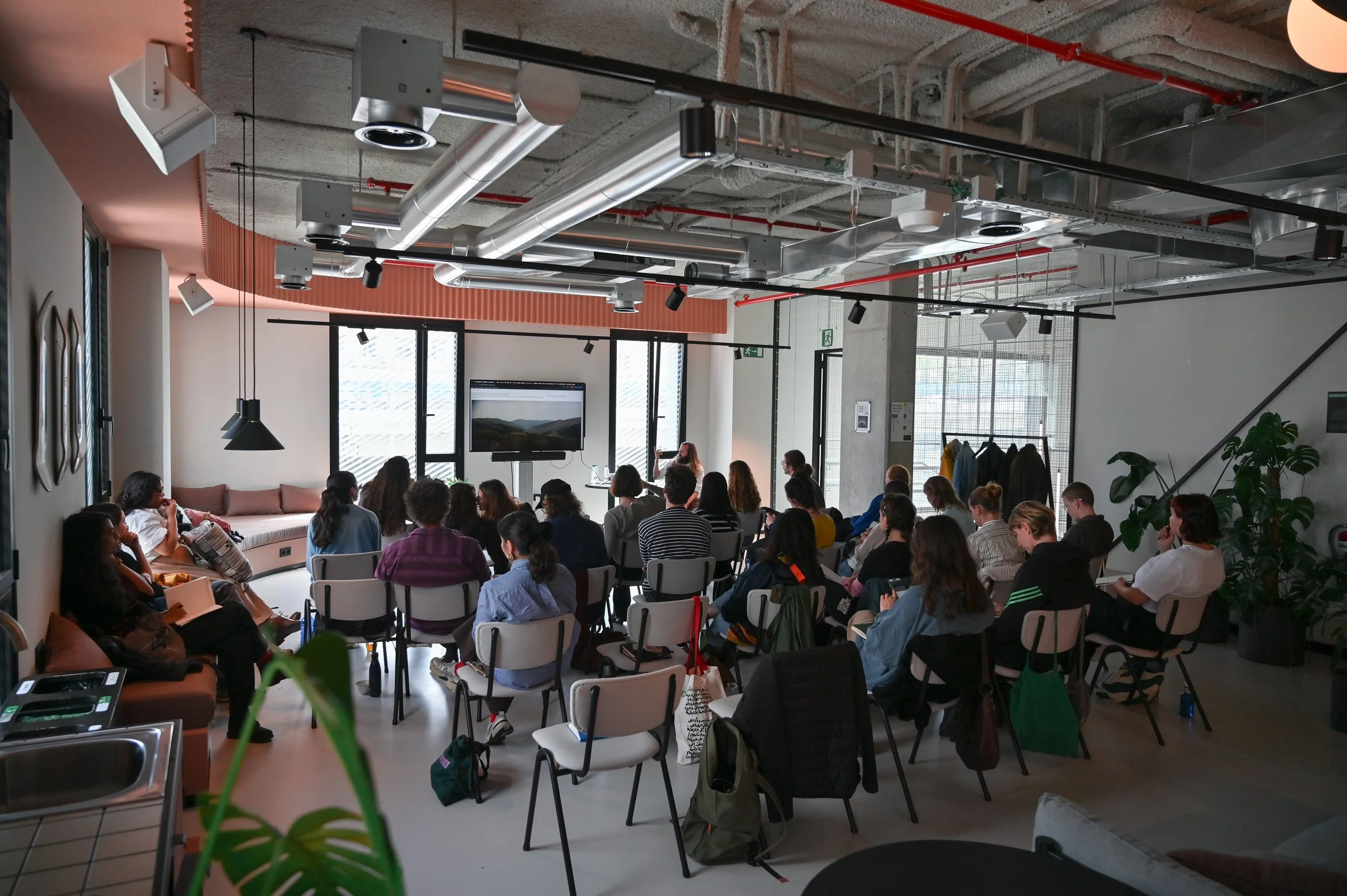
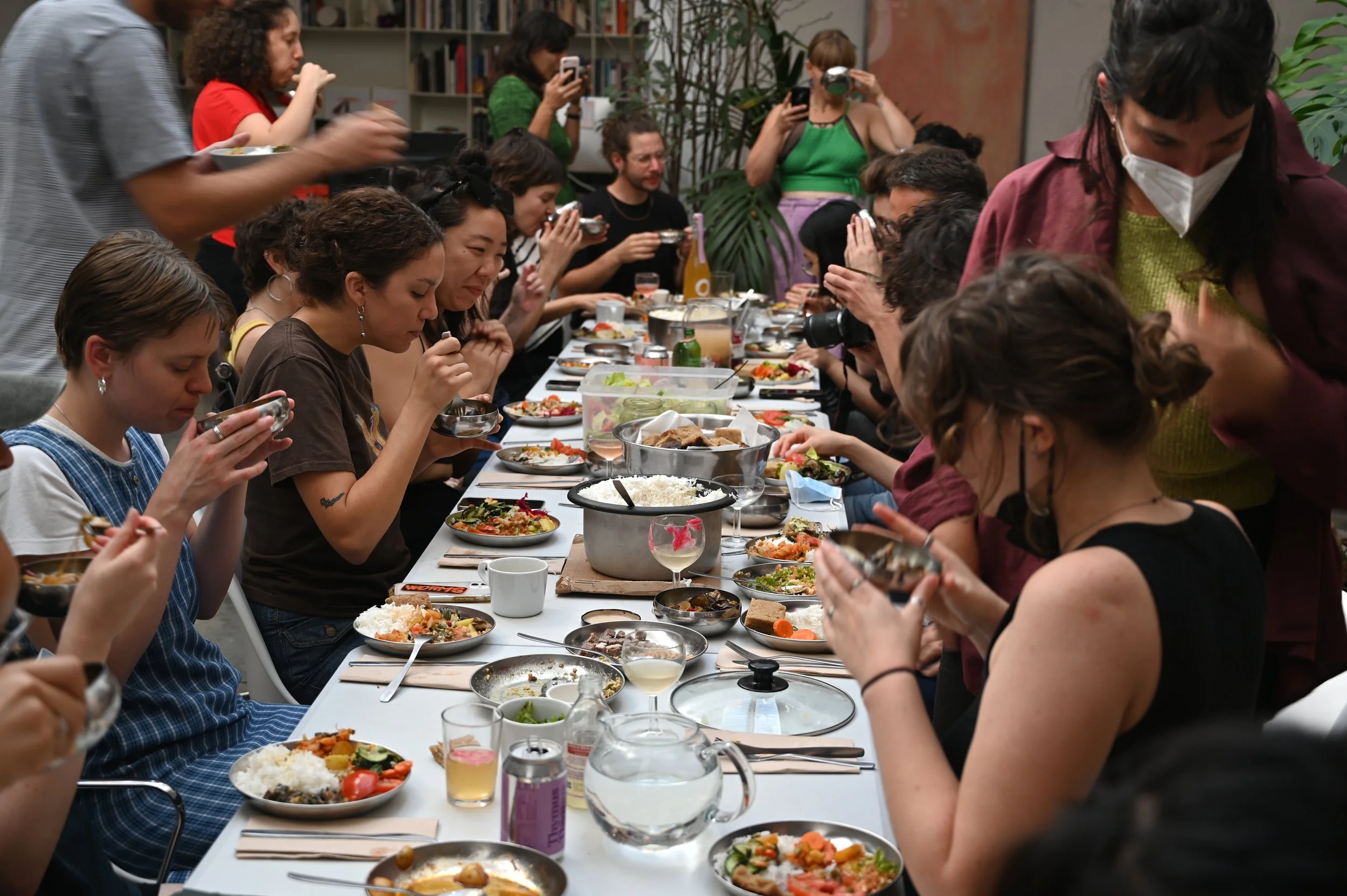
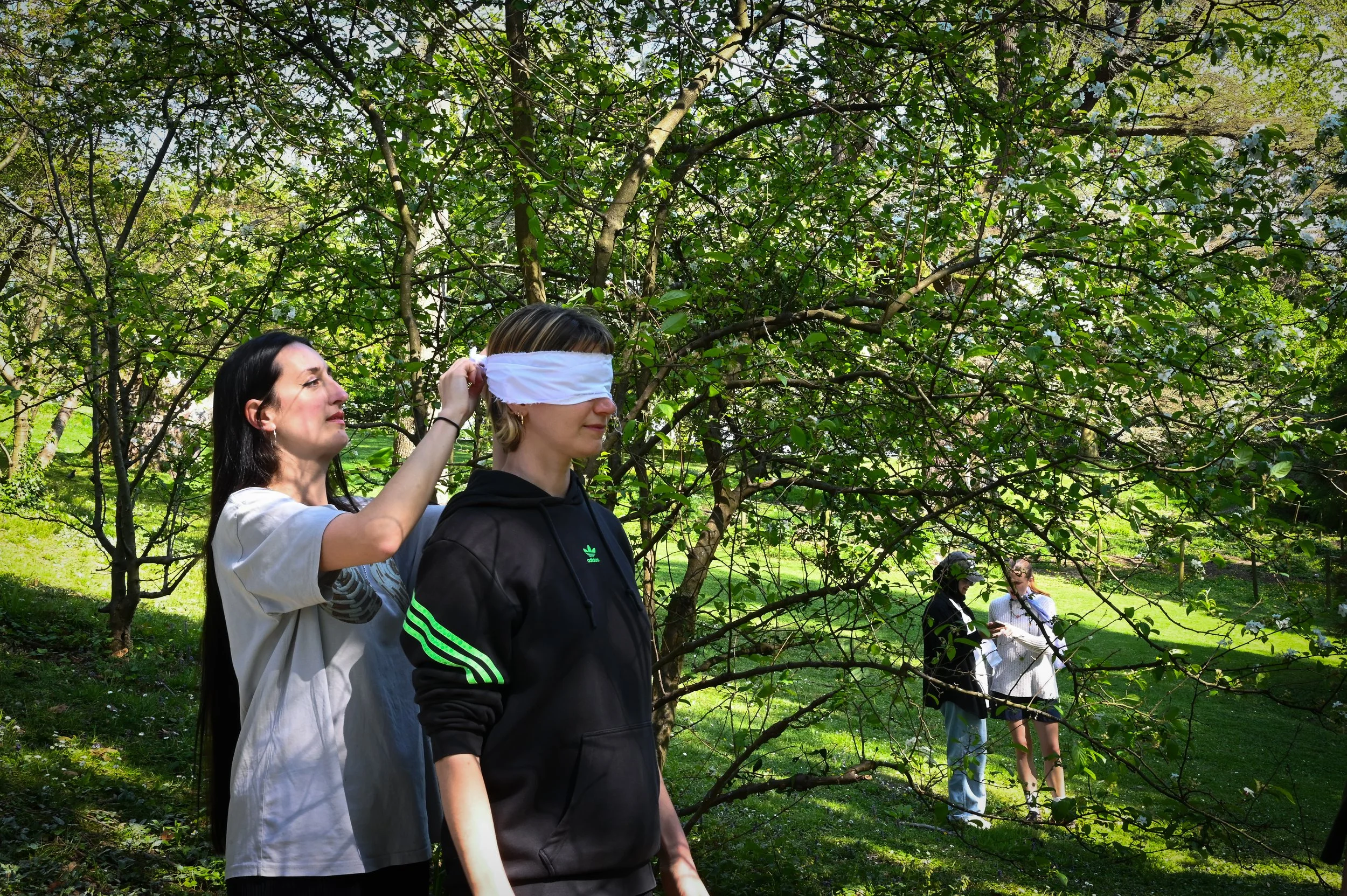
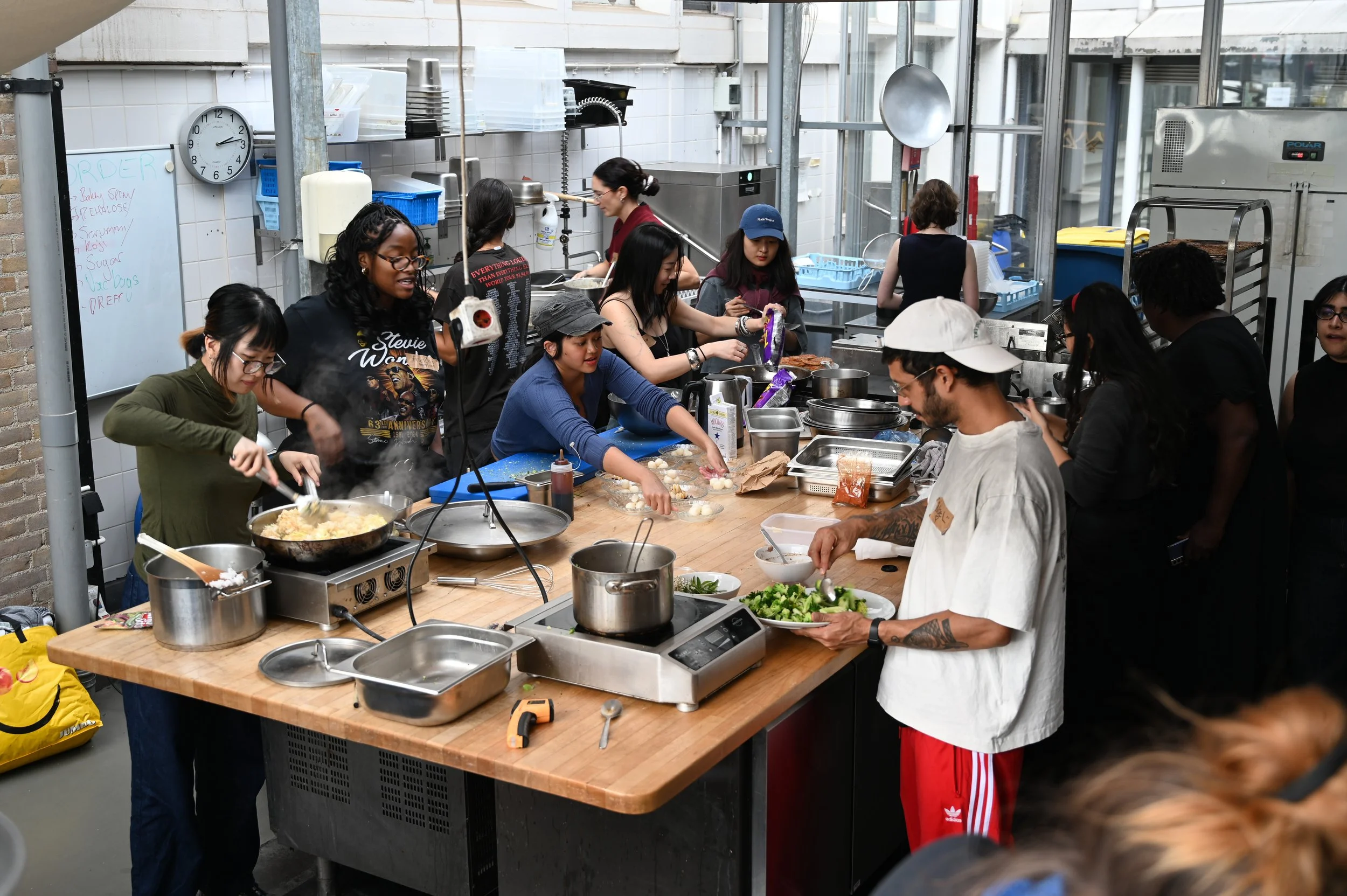
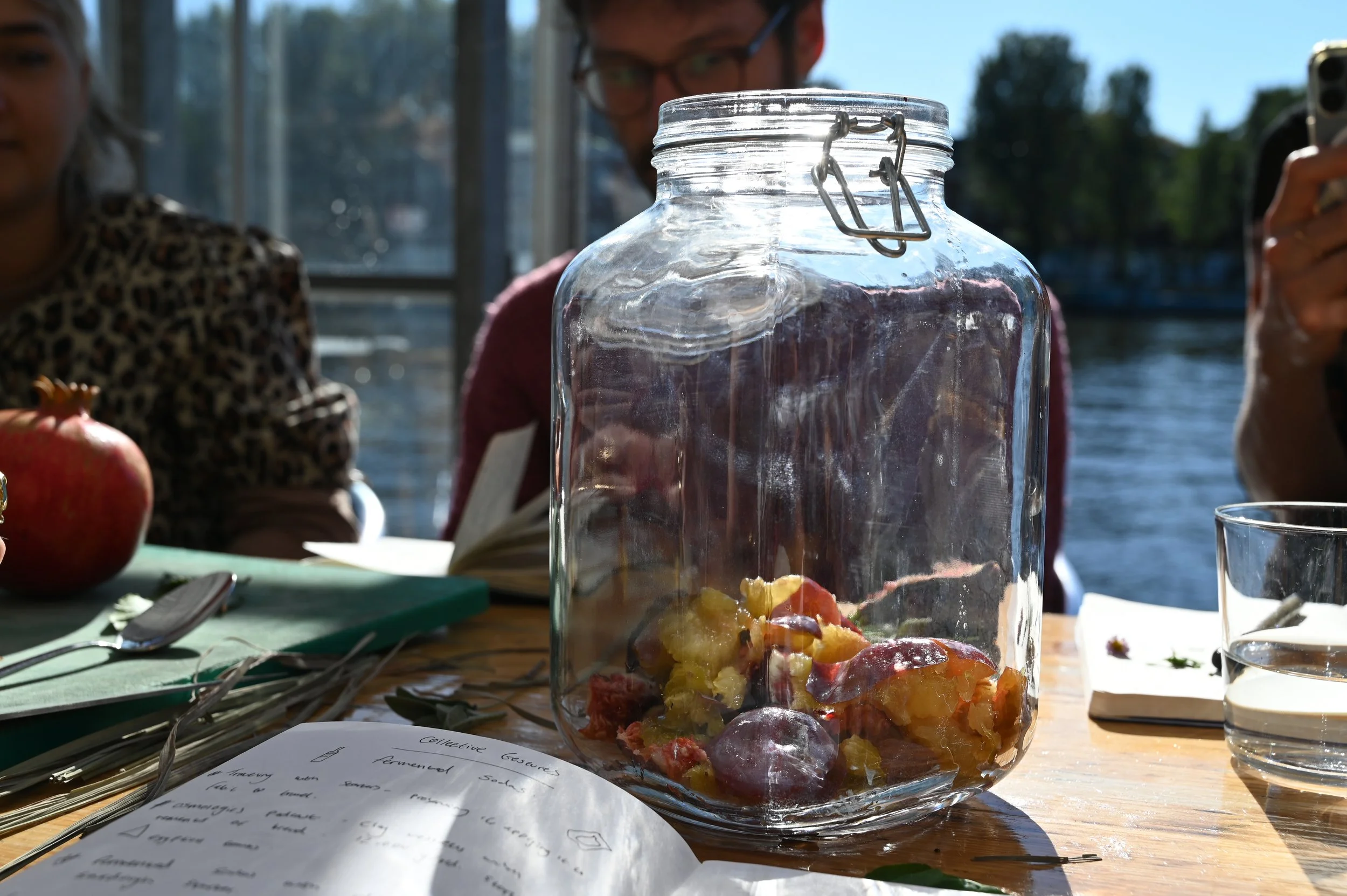
COURSE CONTENT
Foundations of Food and Art
Term 1This term lays the groundwork for understanding food as a pivotal artistic and political medium. We explore food cosmogonies - stories describing the shaping of the world by food - and examine key concepts in contemporary art dealing with food: readymade, participation and Arte Útil. As we interrogate Duchamp’s legacy and discuss the role of cities and food with Carolyn Steel, food will emerge as a lens through which we examine positionality and political engagement in contemporary contexts. This term is primarily in-house teaching.
FOOD AND ORIGIN
TagsPARTICIPATORY ART
FOOD AS MEDIUM
Bitter Sweet Cartographies
Term 2Colonial histories are deeply intertwined with food systems, as culinary practices and crops have shaped colonial exploitation. This second term maps the cultural and political geographies of colonialism through the lens of food, exploring how artists and activists engage with the legacies of imperialism and the struggle for food sovereignty. Through ingredients like sugar, rice, potatoes, chocolate and bananas, we engage with a broad history of agriculture and the current plantationocene.
COLONIAL HISTORIES
TagsFOOD SOVEREIGNTY
PLANTATIONS
Stories of Entangled Foodscapes
Term 3Drawing from food and site specificity, we focus on cultural heritage and ecosystemic contexts. By studying artists and architects addressing the politics of land management, agroecology, and community engagement, we explore artistic and quantitative methodologies to dive into specific foodscapes. From the analysis of Agnes Denes’ Wheatfield: A Confrontation to Cooking Sections’ Climavore projects, we interrogate the intricacies of dynamics like rurality and city, human and more-than-human interdependencies, while reflecting on sustainability as a multilayered subject.
SITE SPECIFIC
TagsRURAL POLITICS
DECENTRALISATION
Unexpected Edible Partnerships
Term 4In this term, we engage with overlooked and fascinating agencies in our food systems: microbes, plants, fungi, and other non-human entities. Through a multispecies lens, lectures and conversations interrogate how these organisms shape culinary and cultural practices, as well as how they can inspire new experimental approaches to art-making and radical thinking. Exploring mycelial networks and plant intelligence, we study the creative potential of companion species and entangled ecologies.
MULTISPECIES
TagsMYCELIAL TEACHINGS
PLANT INTELLIGENCE
Brewing gender politics
Term 5This term delves into the intersections of gender, food, and magical thinking, drawing on feminist theory and critiques of patriarchal systems. From studying witchcraft, rewilding masculinity and magic as metaphysical rewiring, we will explore cooking as a site of gendered labour, power, and ritual. Feminist theories and magical practices become a subversive binomial, a framework challenging normative binaries and reclaiming culinary spaces as stages of empowerment, queering and political transformation.
QUEERING FOOD
TagsCUISINE AND GENDER
MAGICAL THINKING
Food is the future; the future is a monster
Term 6As the ecological crisis is also one of imagination, we conclude the Alternative MA by researching the profound issues of industrial animal farming while speculative design projects draft alternative futures for us. Over this term, food guides us in exploring the boundaries of ethics, scale and imagination. As we investigate animal rights discourse, genetic engineering, and the ecological impact of large-scale farming, we follow designers, artists and researchers on unpaved roads into speculative futures.
ANIMAL QUESTIONS
TagsSPECULATIVE DESIGN
ALTERNATIVE FUTURES
COLLABORATORS
Selected speakers and collaborators
Abel Jansma
Abena Offeh-Gyimah
Al-Wah’at Collective
Alfonso Borragan
Asunción Molinos Gordo
Báyò Akómoláfé
Black Alamanac
Carolyn Steel
Centre Genomic Gastronomy
Charles Spence
Clara Benito
colectivo amasijo
Cooking Sections
David Zilber
Delfina Foundation
Douglas McMaster
Eduardo Castillo-Vinuesa
Eneko Axpe
Espacio Baltico
Federico Campagna
Grandeza Studio
Hicham Khalidi
Institute for Postnatural Studies
Jove Spucchi
Justin Wong
Kelly Donati
La Foresta / Brave New Alps
Laura Tripaldi
Lelani Lewis
Massia
Mediamatic
Mercedes Villalba
Michael Marder
Noam Youngrak Son
Nonhuman Nonsense
Ole G. Mouritsen
Parama Roy
Patricia Kaishian
Rain Wu
Rowen White
ruangrupa
Sophie Strand
Space Transcribers
Yamuna Sangarasivam
Yasmine Osendorf-Rodriguez

project collective: